OUR BUINESS Consulting SERVICES
Unlock your business's full potential with our consulting services.
OUR EXPERTISE AREAS
Our Comprehensive Industry Scope
Discover our extensive experience across diverse industry sectors
OUR MANAGEMENT CONSULTATION
Management Standards We Help You Implement
-
ISO 9001
The internationally recognized standard for quality management systems.
Establishes a framework for consistent product and service quality, customer satisfaction, and continuous improvement.
-
IATF 16949
The global technical specification for automotive quality management systems.
Focuses on defect prevention, reduction of variation, and waste in the automotive supply chain.
-
AS 9100/AS9120/AS9115/AS9110
A family of standardized quality management systems for the aerospace industry.
Addresses the stringent requirements for safety, reliability, and quality in aviation, space, and defense organizations.
-
ISO 22163 (IRIS)
The international standard for quality management systems in the railway industry.
Focuses on efficiency, effectiveness, and continuous improvement throughout the railway value chain.
-
ISO 13485
The standard for quality management systems specific to the medical device industry.
Ensures the consistent design, development, production, installation, and servicing of safe and effective medical devices.
-
TL9000
A quality management system standard specifically for the telecommunications industry.
Builds upon ISO 9001 with additional requirements focused on the unique needs of the telecom sector.
-
VDA 6.3
A process audit standard developed by the German Association of the Automotive Industry (VDA).
Used to assess and improve the quality management systems and processes of automotive suppliers.
-
Customer specific
Tailored quality management requirements defined by individual customers.
Ensuring adherence to the unique expectations and standards of specific clients.
-
ISO 14001
Specifies requirements for an environmental management system that an organization can use to enhance its environmental performance.
-
ISO 45001
The international standard for occupational health and safety management systems, aimed at preventing work-related injury and ill health.
-
ISO 14064
A series of standards for quantifying, reporting, and verifying greenhouse gas (GHG) emissions and removals.
-
ISO 14020
A set of standards outlining principles and procedures for environmental labels and declarations.
-
ISO 14067
Specifies principles, requirements, and guidelines for the quantification and reporting of the carbon footprint of products.
-
ISO 50001
The international standard for energy management systems, helping organizations improve their energy performance, efficiency, use, and consumption.
-
Fire Audits
Systematic and independent evaluations to assess an organization's fire safety arrangements, ensuring compliance and identifying risks.
-
Safety Audits
Comprehensive reviews of an organization's safety management systems and practices to identify hazards and ensure a safe working environment.
-
Electrical Safety Audits
Specialized audits focusing on the safety of electrical installations and practices to prevent electrical hazards and ensure compliance.
-
Sustainability Reporting
The practice of publicly disclosing an organization's environmental, social, and governance (ESG) impacts and performance.
-
Water Audit
A systematic assessment of an organization's water consumption and processes to identify areas for efficiency and conservation.
-
Carbon Footprint
The total amount of greenhouse gases generated by our actions.
-
Water footprint
The total volume of freshwater used to produce the goods and services we consume.
The international standard specifying the general requirements for the competence, impartiality, and consistent operation of laboratories.
-
CE Marking
Indicates conformity with health, safety, and environmental protection standards for products sold within the European Economic Area (EEA).
-
UL (Underwriters Laboratories)
A globally recognized safety certification mark indicating that a product has been tested and meets specific safety standards.
-
S Mark (Various Countries)
Represents different national safety standards marks (e.g., SEMKO in Sweden, NEMKO in Norway, DEMKO in Denmark, FIMKO in Finland).
-
Ecocert
A European certification body that inspects and certifies products from organic farming, natural and organic cosmetics, and environmentally friendly textiles.
-
ISI Mark (Bureau of Indian Standards)
A certification mark issued by the Bureau of Indian Standards (BIS) in India, indicating conformity to national standards.
-
Ecomark (Bureau of Indian Standards)
An ecolabel issued by the Bureau of Indian Standards (BIS) in India for products that meet certain environmental criteria.
-
BSCI (Business Social Compliance Initiative)
A leading supply chain management system that supports companies to drive social compliance and ethical sourcing in their global supply chains.
-
SEDEX (Supplier Ethical Data Exchange)
A global online platform allowing companies to manage their ethical and responsible supply chain data, sharing information and improving standards.
-
CTPAT (Customs-Trade Partnership Against Terrorism)
A voluntary supply chain security program led by U.S. Customs and Border Protection focused on improving the security of private companies' supply chains with respect to terrorism.
-
Technical Audits
Assessments conducted to evaluate a supplier's or organization's technical capabilities, processes, and adherence to specific technical requirements and standards.
-
Buyer Specific Compliances (Walmart, Puma, Decathlon etc)
Ethical, social, environmental, and quality compliance requirements mandated by individual retailers or brands for their suppliers (e.g., specific audit protocols, standards, and expectations).
-
ISO 22000
An international standard that specifies the requirements for a food safety management system (FSMS) to ensure safety throughout the food chain.
-
FSSC 22000 (Food Safety System Certification 22000)
A robust, GFSI (Global Food Safety Initiative) benchmarked food safety management system standard based on ISO 22000 and additional requirements.
-
BRC Food (British Retail Consortium Food Safety Standard)
A GFSI benchmarked global standard for food safety and quality management, widely used by retailers and food manufacturers.
-
BRC Packaging (British Retail Consortium Packaging Materials Standard)
A GFSI benchmarked global standard for manufacturers of packaging materials used for food and other products, focusing on safety, quality, and functionality.
-
ISO 27001
The international standard for information security management systems (ISMS), providing a framework to manage and protect information assets.
-
SOC (System and Organization Controls)
A suite of reports on the controls at a service organization relevant to security, availability, processing integrity, confidentiality, and privacy.
-
ISO 20000
An international standard for IT service management, specifying requirements for establishing, implementing, maintaining, and continually improving a service management system.
OUR AUDITING SERVICES
Comprehensive Auditing Solutions for Your Business

Management Systems audits
Comprehensive evaluation of your organization's management systems to ensure compliance with international standards and identify opportunities for improvement in quality, environmental, and safety practices.

Process Audit as per VDA /other standards
Detailed assessment of manufacturing processes following VDA and other industry standards to ensure quality, efficiency, and compliance while identifying areas for optimization and improvement.
Social Compliance Audits
Thorough evaluation of workplace conditions, labor practices, and social responsibility standards to ensure compliance with international labor laws, human rights, and ethical business practices.
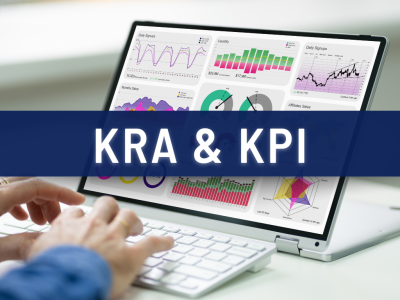
KPI/KRA Assessment audit
Systematic evaluation of key performance indicators and key result areas to measure organizational effectiveness, identify performance gaps, and implement strategies for continuous improvement and goal achievement.

Process Audit for Business Excellence
Comprehensive evaluation of organizational processes covering Quality Management, Environmental Management, Occupational Health & Safety , Legal Compliance, and other critical business areas.